
Biofuels
Advanced Biofuels
Compressed Bio Gas, Renewable DME, Liquefied Bio Methane and Green Methanol — clean fuels produced close to demand.

We develop advanced biofuels and grid-scale energy storage — powered by a circular economy that turns organic waste into fuel, and by-products back into fertile soil.
Four principles drive everything we build — from feedstock cultivation to grid-scale storage.
Organic waste becomes fuel; by-products return to soil as rich fertilizer — a true closed-loop system.
CBG, rDME, LBM and Green Methanol — distributed generation, produced near the demand hub.
Technology-agnostic energy storage — from lithium-ion to 30-year redox flow batteries.
Rural employment, empowered communities and healthier soil across five Indian states.
Sai Bioenergy is committed to a biofuel strategy guided by circular economy principles. Organic waste and by-products from biofuel production are recycled as fertilizer — establishing a sustainable closed-loop system.

The key to our biofuel business — covering land preparation, natural agronomy, harvesting and storage.
Land · Agronomy · HarvestThe purpose of the 3F Model — fuel that is green in the true sense and fits the distributed generation model.
CBG · rDME · LBM · MethanolResidue from production becomes rich manure that enhances soil potential — producing sustainable biomass.
Rich manure · Soil healthAdvanced biofuels and tailored energy storage — the building blocks of India's energy transition.
Compressed Bio Gas, Renewable DME, Liquefied Bio Methane and Green Methanol — clean fuels produced close to demand.
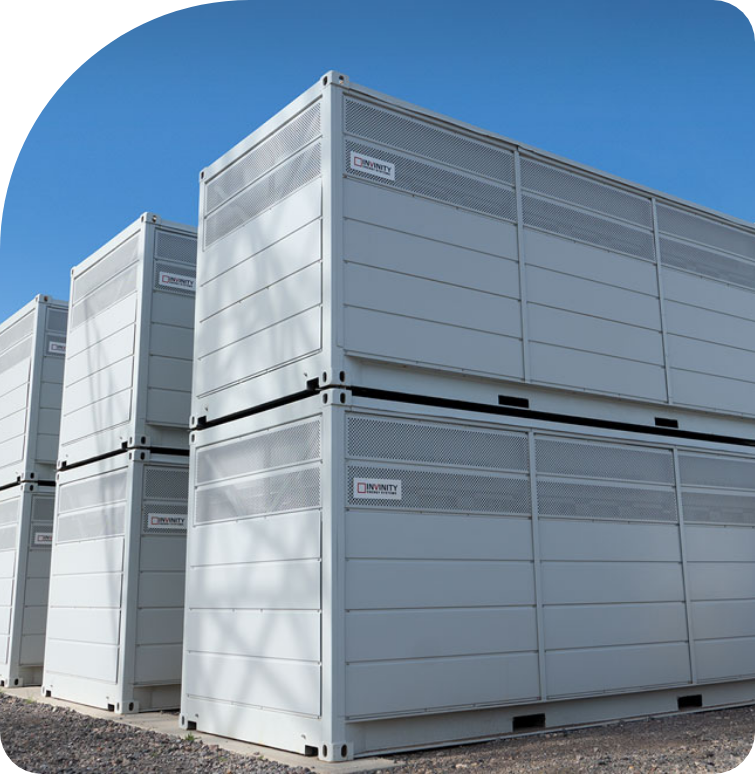
Technology-agnostic systems — from lithium-ion to grid-scale redox flow batteries, tailored to the customer's need.
Voices from the ecosystem powering India's clean energy transition.
Sai Bioenergy's commitment to a genuinely circular model sets a new benchmark for the CBG sector. Their feedstock discipline is exactly what India's bioenergy scale-up needs.
Their technology-agnostic approach to energy storage means every project gets the right solution — not a one-size-fits-all product. A serious, solution-driven team.
Indigenous, low-cost electrolyte development aligns perfectly with Sai Bioenergy's vision for a self-reliant energy future. A partnership built for the long term.
Sai Bioenergy develops advanced biofuels and energy storage to accelerate India's transition from fossil to non-fossil fuels. Everything we build is guided by the 3F Model and a commitment to communities, soil, and climate.
Achieving Net Zero Carbon emissions in support of India's vision for clean, green fuels.
Sustainable growth with biofuels — empowering communities and nurturing a healthier environment.
Whether you're exploring biofuel feedstock, CBG offtake, or grid-scale storage — our team is ready to collaborate.
Sai Bioenergy is a circular-economy energy company developing advanced biofuels and grid-scale storage — proudly part of the Sherisha Group through VS Lignite Power (VSLP).
Sai Bioenergy was founded on a simple conviction: India's energy transition must be clean, distributed, and rooted in rural prosperity. We follow the 3F Model — Feedstock, Fuel, Fertilizer — where organic waste and by-products from biofuel production are recycled back into the soil, closing the loop entirely.
From captive cultivations across Rajasthan, Maharashtra, Andhra Pradesh, Telangana and Karnataka, we produce green fuels near the demand hub and return rich manure to the land — creating a genuinely sustainable, self-reliant system.
See how it worksAchieving Net Zero Carbon emissions — dedicated to supporting India's national vision for clean and green fuels.
Driving sustainable growth with biofuels, empowering communities, and nurturing a healthier environment for generations to come.
A rare combination of agronomy, fuel engineering and storage expertise — under one closed loop.
We don't just make fuel — we return every by-product to the soil as fertilizer, so nothing is wasted.
Captive cultivation across five states means secure, traceable feedstock — the backbone of reliable fuel.
For storage, we pick the best fit — lithium-ion or flow batteries — never forcing a single product.
250+ rural jobs, 15+ communities empowered — clean energy that lifts local economies.
Fuel produced near the point of demand — cutting transport emissions and building energy resilience.
Every project maps to UN Sustainable Development Goals — from clean energy to responsible production.
Decades of combined experience in energy, engineering and sustainable agriculture.
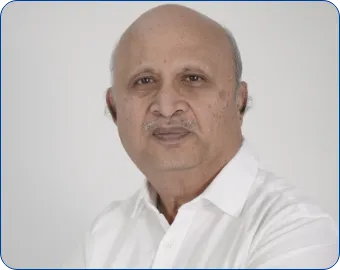
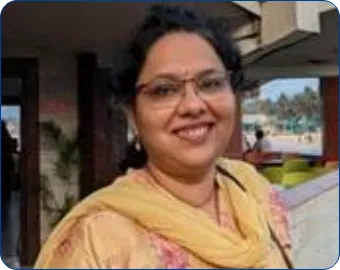
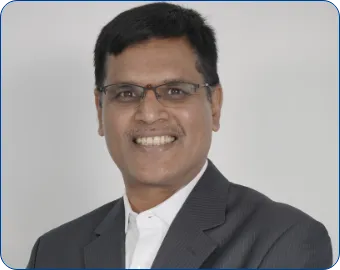
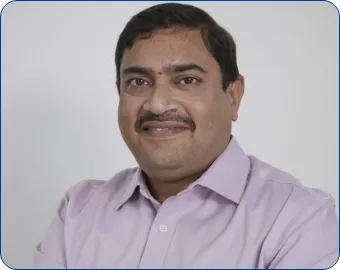
From feedstock to fuel to fertilizer — let's build sustainable energy infrastructure together.
From cultivating feedstock to delivering green fuel and storing clean power — a complete, circular energy offering.
Every service is a link in the closed loop — designed to work together.
Land preparation, natural agronomy, harvesting and storage — secure, traceable feedstock from captive cultivation.
High-purity CBG produced from organic waste — supported by advanced 3-stage biogas upgradation technology.
Renewable Dimethyl Ether and Liquefied Bio Methane — versatile green fuels for cooking, transport and industry.
Low-carbon methanol from renewable feedstock — a clean building block for chemicals and marine fuel.
Nutrient-rich residue from fuel production, returned to soil as manure — enhancing yields and biomass.
Technology-agnostic storage systems — lithium-ion and grid-scale flow batteries tailored to your load profile.
Distributed, modular plants built near the demand hub — faster to deploy, cheaper to operate.
Continuous research into feedstock, fuel chemistry and storage — including indigenous electrolyte development.
Waste in, green fuel out, fertile soil back — a circular process that never stops giving.
Prepare land and grow energy crops using natural agronomy across our captive cultivations.
Convert organic feedstock and waste into CBG, rDME, LBM and green methanol near the demand hub.
Capture residue from production and process it into nutrient-rich bio-fertilizer.
Return fertilizer to the land — enriching soil, boosting biomass and closing the loop.
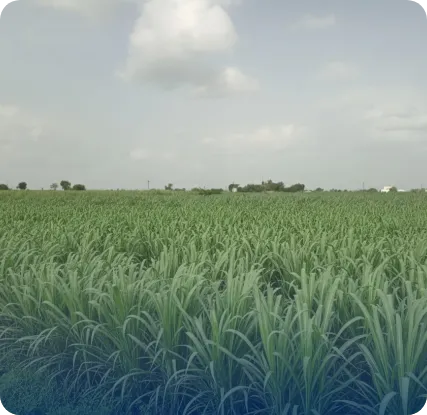
We ensure our fuel is genuinely green — produced from renewable feedstock, close to where it's used, with by-products fully recovered.
Everything you need to know about our biofuels, storage and the 3F Model.
The 3F Model stands for Feedstock, Fuel and Fertilizer. It's a circular-economy approach where we cultivate feedstock, convert it into green fuel, and recycle the production residue back into the soil as fertilizer — creating a sustainable closed-loop system.
We produce Compressed Bio Gas (CBG), Renewable Dimethyl Ether (rDME), Liquefied Bio Methane (LBM) and Green Methanol — all from renewable feedstock, produced near the point of demand.
We aren't tied to one product. Depending on the customer's needs, we deploy the optimal solution — whether lithium-ion systems for shorter durations or grid-scale redox flow batteries for long-duration, high-safety applications.
Our captive cultivations and projects span Rajasthan, Maharashtra, Andhra Pradesh, Telangana and Karnataka — with active expansion into states like Chhattisgarh. Our flagship includes the Bikaner CBG Plant in Rajasthan.
Our model creates local jobs in cultivation, harvesting and plant operations. To date we've created 250+ rural jobs and empowered 15+ local communities, while returning nutrient-rich fertilizer to farmers' soil.
Tell us about your feedstock, offtake or storage needs — we'll design the right solution.
Technology-agnostic and fully solution-driven — from lithium-ion to 30-year redox flow batteries, we deliver the optimal system for every application.
Storage is the backbone of a renewable grid — balancing supply and demand, smoothing intermittency, and enabling the shift from fossil to non-fossil fuels.
Filter by technology to explore the storage solutions we deploy and the properties that set them apart.
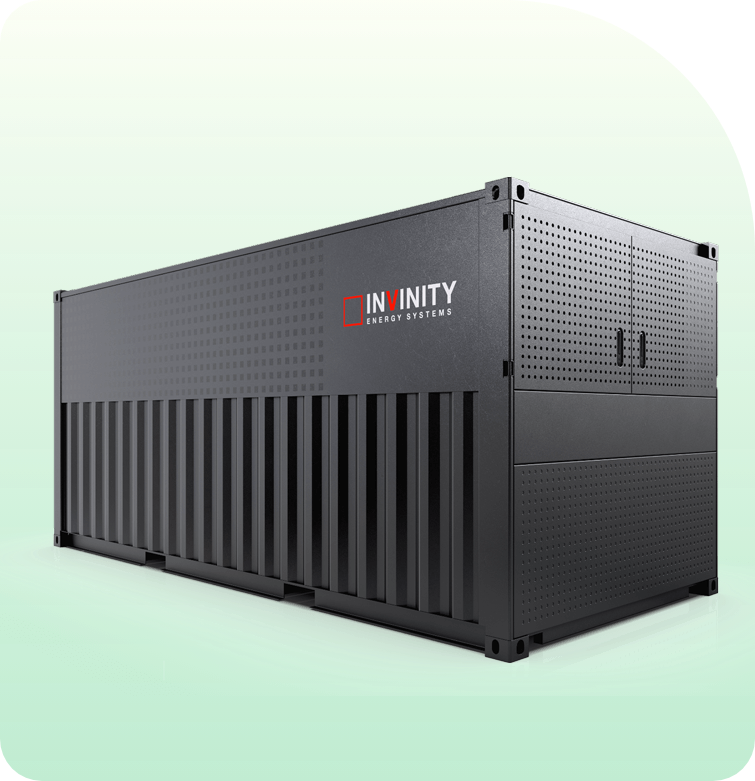
Long-duration, grid-scale storage with independently scalable energy and power — the workhorse of large installations.
UK-based vanadium flow battery technology for large-scale (GWh) energy storage — proven, safe and durable.
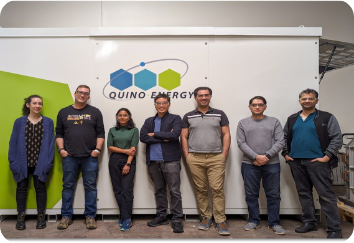
Low-cost, sustainable electrolyte that can be developed indigenously — reducing dependence on imported materials.

High energy density and fast response for shorter-duration applications, peak shaving and behind-the-meter storage.
Frequency regulation, voltage support and renewable firming to keep the grid stable as intermittent sources grow.
Seasonal, multi-hour storage that shifts clean energy across days — essential for a fully renewable grid.
For large-scale storage, redox flow batteries offer proven advantages that lithium alone can't match:
Share your load profile and goals — we'll recommend the optimal, technology-agnostic solution.
Sai Bioenergy collaborates with world-class technology providers, government programmes and communities to scale clean energy across India.
No single company can decarbonise energy alone. As a subsidiary of VS Lignite Power (VSLP) within the Sherisha Group, Sai Bioenergy brings together best-in-class biofuel and storage technologies, backed by group-scale execution capability across renewable energy, EPC and O&M.
We actively partner with feedstock suppliers, technology innovators, oil marketing companies (OMCs) and government programmes to build a resilient, self-reliant clean-energy ecosystem.

A strategic partnership boosting India's clean energy transition through advanced biogas upgradation.
Sai Bioenergy has selected GPS Renewables' OptiMAXX unit — from its Carbon Capture Solutions vertical — for upcoming CBG projects across India. It's a decisive step in scaling high-purity compressed bio gas nationwide.
We bring global flow-battery innovation to India — and help develop it indigenously.

A UK-based vanadium flow battery technology provider delivering large-scale (GWh) energy storage solutions — safe, durable and built for the grid.

Organic flow battery technology providing a low-cost, sustainable electrolyte that can be developed indigenously — strengthening India's energy self-reliance.
Our projects are designed to plug into national policy and the global biofuel movement.
Aligned with the Sustainable Alternative Towards Affordable Transportation scheme for CBG production and offtake.
Positioned to supply India's phased Compressed Bio Gas blending obligations across the gas network.
Part of the global movement — sharing India's ethanol and CBG success to shape international biofuel collaboration.
Collaborating with farmers for feedstock and returning bio-fertilizer — creating shared rural prosperity.
Supplying CBG to OMCs and industrial offtakers through reliable, high-purity distributed production.
Group-scale strength in renewable energy, EPC and O&M — de-risking large clean-energy deployments.
Farmers and aggregators — partner with us to supply organic feedstock and receive bio-fertilizer in return.
OMCs, industry and municipalities — secure reliable CBG, rDME, LBM and green methanol supply.
Technology providers and R&D institutions — collaborate on fuel, storage and electrolyte innovation.
Whether it's feedstock, offtake, technology or investment — we'd love to explore how we can work together.
Questions about our biofuels, energy storage or collaboration opportunities? Our team is ready to help.
Monday – Saturday · 09:30 – 18:00
Hyderabad, Telangana, India
As the world moves away from fossil fuels, sustainable fuels sit at the heart of a resilient energy future. Through fermentation, anaerobic digestion and thermochemical conversion, we turn biomass into clean energy — biogas & CBG, DME, Liquefied Bio-Methane and green methanol — for transport, power generation and industry.
The global vision for sustainability and a resilient energy future has sharply increased demand for renewable, environmentally responsible energy. As nations work to cut greenhouse-gas emissions, strengthen energy security and move away from fossil fuels, sustainable energy has become central to economic and environmental policy.
Bio fuels take many forms — biogas and Compressed Bio Gas (CBG), Di-methyl Ether, Liquefied Bio-Methane and advanced fuels such as green methanol. Through fermentation, anaerobic digestion and thermochemical conversion, biomass is transformed into energy for transportation, power generation and industrial applications.
Back to Services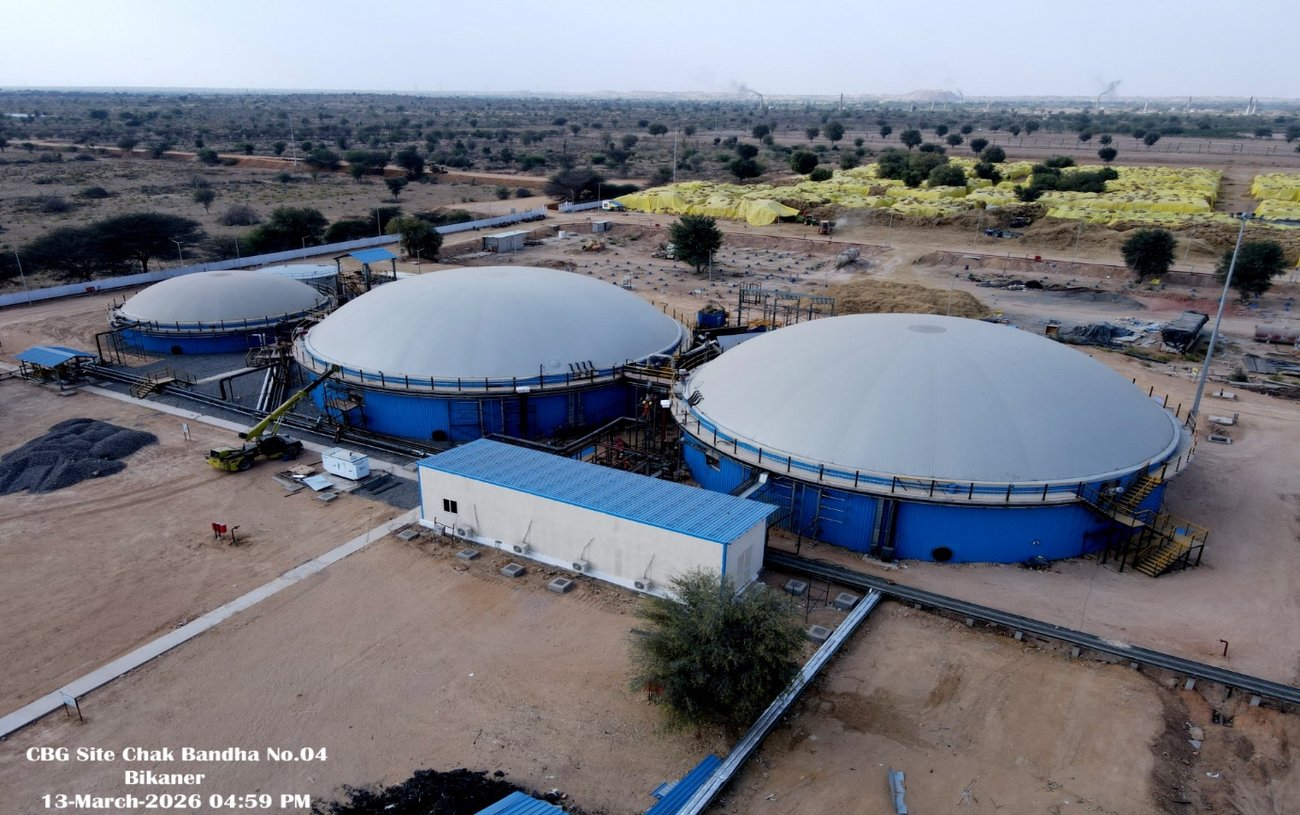
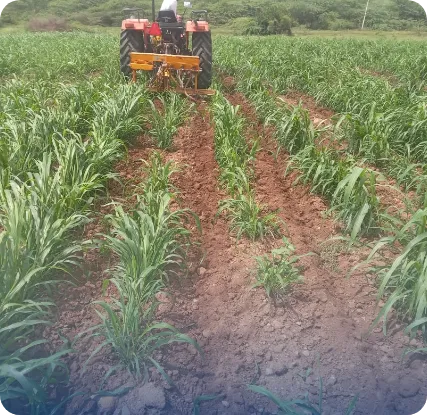
We are cultivating energy crops across a 20,000-hectare land bank in seven states — Chhattisgarh, Maharashtra, Rajasthan, Telangana, Andhra Pradesh, Karnataka & Madhya Pradesh — serving as feedstock for CBG, Liquefied Bio-Methane and other biofuels.
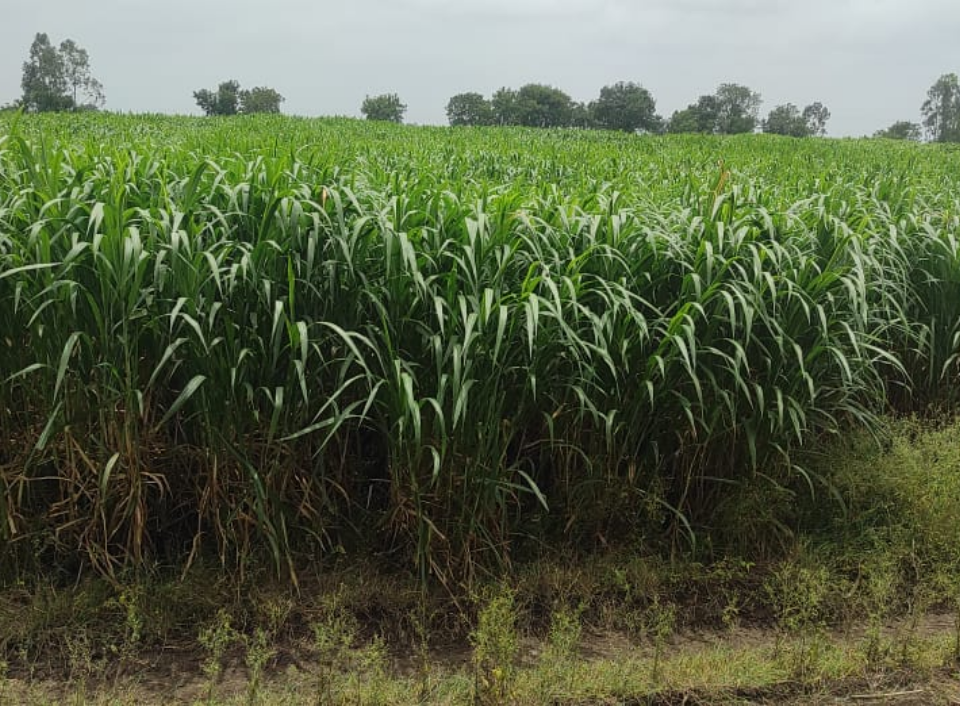
Our flagship 20 TPD CBG plant in Bikaner runs on cultivated Napier grass using CSTR & PFR technology. Commissioned on 26 February 2026, it ensures a consistent, controllable feedstock supply — and its digestate becomes bio-manure that improves soil health.
Sai Bioenergy Chhattisgarh Pvt. Ltd. (incorporated July 2025) plans 150 TPD of CBG across Durg, Khairagarh, Rajnandgaon, Mungeli and Janjgir-Champa. Land is secured in Khairagarh-Chhuikhadan-Gandai and Durg, with 4,500 hectares being identified for energy crops.
Sai Bioenergy Maharashtra Pvt. Ltd. (incorporated August 2025) plans 250 TPD of CBG across Solapur, Nagpur, Nashik, Pune and more. A 30 TPD plant is underway in Solapur, backed by 1,537 hectares acquired and 6,000 more being identified.
Each fuel is produced from renewable feedstock and engineered for real-world demand — from kitchens to heavy transport.
CBGPurified, compressed biogas produced from organic and agricultural waste. A clean, drop-in substitute for CNG in transport and industry — aligned with India's SATAT initiative and CBG blending mandates.
rDMEA clean-burning fuel that blends easily with LPG for cooking and heating. rDME produces virtually no soot, making it an ideal renewable pathway to cleaner household and industrial energy.
 LBM
LBMBio-methane cooled to a liquid for high energy density — a renewable alternative to LNG. LBM powers long-haul trucking and heavy transport where range and refuelling speed matter most.
 MeOH
MeOHLow-carbon methanol made from renewable feedstock. A versatile building block for the chemical industry and a leading clean fuel for the marine sector's decarbonisation.
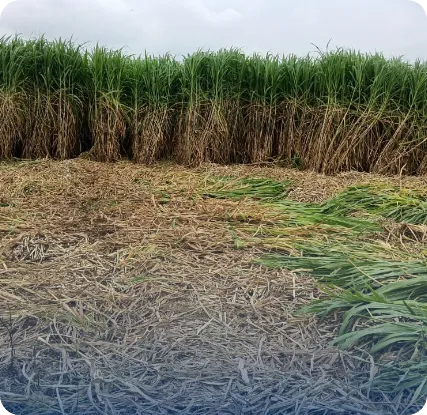
Napier grass and organic biomass are converted into clean, high-purity CBG — while the digestate is returned to the soil as bio-manure.
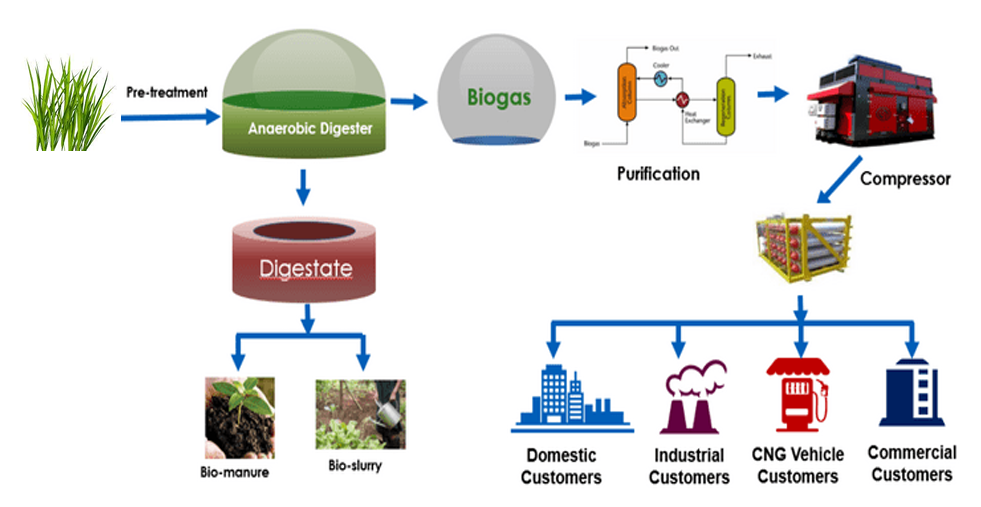
Napier grass and organic biomass are harvested, collected and pre-treated.
Biomass is digested in CSTR & PFR reactors to generate raw biogas.
Biogas is purified and compressed into high-purity Compressed Bio Gas (CBG).
CBG reaches domestic, industrial, CNG-vehicle & commercial users; digestate returns as bio-manure.
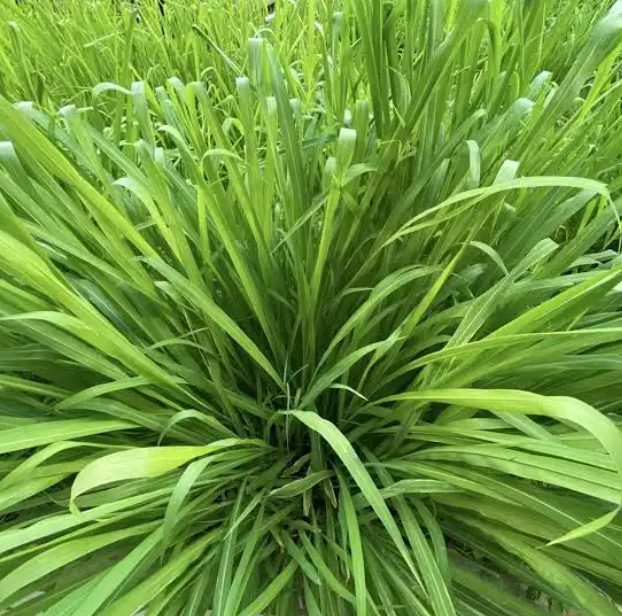
One of the most promising pathways for CBG production is Napier grass, also known as elephant grass — a high-yielding perennial crop that grows rapidly in tropical and subtropical climates, making it ideal for large-scale biomass production.
Beyond CBG, we're advancing low-carbon fuels — currently in the implementation phase, spanning feedstock assessment, technology selection and process integration, all built on sustainable biomass and organic waste streams.
A clean-burning fuel that blends with LPG — under development for cleaner cooking, heating and transport.
Bio-methane liquefied for high energy density — a renewable alternative to LNG for heavy, long-haul transport.
Low-carbon methanol from renewable feedstock — a versatile chemical building block and clean marine fuel.
Our work brings together bioenergy innovation, circular-economy practice and climate-resilient farming — reinforced by progressive national policy.
Promotes Compressed Bio Gas from agricultural residues, municipal waste and other biomass sources.
Scales up biomass-based power and biofuel production, alongside advances in biogas upgrading and 2G ethanol.
Converts cattle dung and organic waste into biogas, bio-CNG and organic fertilizers — waste to wealth.
Biomass utilisation tackles stubble burning — reducing pollution while creating economic value.
Encourages organic farming and reduced chemical inputs for healthier, more sustainable agriculture.
Supports climate-resilient practices, efficient water use and soil-health management nationwide.
Together these form a synergistic, closed-loop framework: bioenergy innovation supports waste utilisation, circular-economy strategies minimise resource loss, and sustainable farming keeps the system in ecological balance — driving rural development, energy security and a more resilient agricultural economy.
Clean energy that also delivers economic and environmental returns.
Bio fuels release only the carbon recently captured by plants — closing the loop instead of adding to it.
Organic and agricultural waste becomes valuable fuel — turning a disposal problem into an energy asset.
Domestically produced fuel reduces import dependence and strengthens India's energy security.
Feedstock cultivation and plant operations create local jobs and lift rural economies.
Lower particulate and soot emissions mean healthier air for communities and cities.
Drop-in compatibility with existing gas, LPG and fuel networks means faster, lower-cost adoption.
From CBG offtake to green methanol supply — let's discuss how our fuel portfolio fits your needs.
Imagine if burning crop stubble — one of North India's biggest pollution menaces — could actually light up your home. Thanks to SAMARTH, it's already happening.
Launched on 12 July 2021 by the Ministry of Power, SAMARTH — the Sustainable Agrarian Mission on the Use of Agri-Residue in Thermal Power Plants — is India's answer to air pollution from stubble burning and to cutting the carbon footprint of thermal power generation.
By turning surplus biomass into clean energy for coal-fired thermal power plants (TPP), SAMARTH tackles two problems at once: it keeps crop residue out of the fields where it would otherwise be burned, and it greens India's existing power fleet.
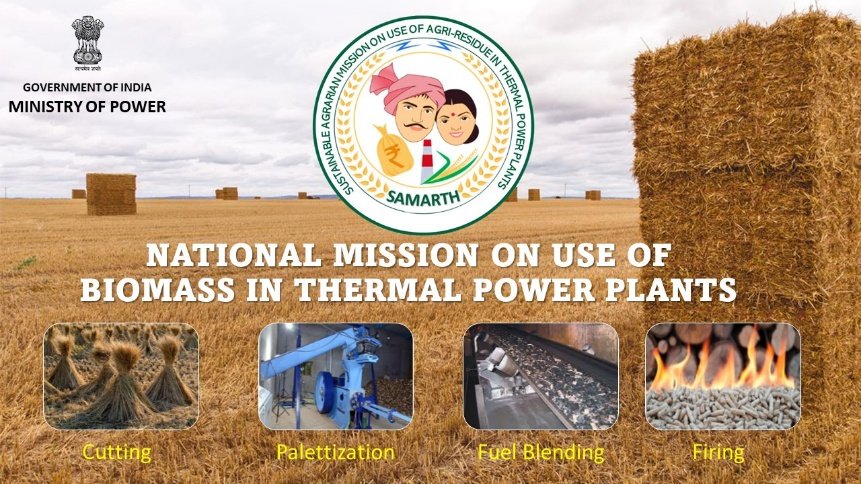
A journey that began years before the mission got its name.
The Ministry of Power issues a policy promoting biomass co-firing in coal-fired power plants.
The Central Electricity Authority issues advisories to promote biomass pellet use in thermal plants.
The National Mission on Biomass Use in TPP launches with dedicated committees and five expert sub-groups.
The mission is renamed SAMARTH and moves into full swing across the country.
The Ministry of Power introduced a revised Biomass Co-Firing Policy in October 2021, fine-tuned further in June 2023 — making it mandatory for all coal-fired thermal power plants to co-fire 5%–10% biomass pellets with coal.
| Mill Type | 2024–25 | 2025–26 |
|---|---|---|
| Bowl Mills | 5% Biomass Pellets | 7% Biomass Pellets |
| Ball & Race Mills | 5% Torrefied Pellets | 7% Torrefied Pellets |
| Ball & Tube Mills | 5% Torrefied Pellets (<22% Volatility) | — |
A full ecosystem of incentives and infrastructure ensures the mission thrives.
MNRE and CPCB provide financial incentives for biomass pellet manufacturing units.
The RBI includes biomass pellet manufacturing under Priority Sector Lending.
A dedicated procurement category for biomass on the Government e-Marketplace (GeM).
Comprehensive vendor databases published on the SAMARTH website.
Nationwide awareness campaigns to drive adoption among plants and farmers.
By enabling surplus agri-residue for power generation, SAMARTH reduces stubble burning, cuts emissions, lowers coal dependency and creates rural employment — all while using existing power-plant infrastructure efficiently.
Status of biomass co-firing across all India TPPs, as of 30 June 2025.
Sai Bioenergy's feedstock strategy and biomass expertise directly support national missions like SAMARTH — converting energy crops and agricultural residue into clean fuel, keeping stubble out of the fields and value in rural communities.
Explore our Bio FuelsLet's collaborate on feedstock, biomass pellets and clean-fuel supply that powers India's energy transition.